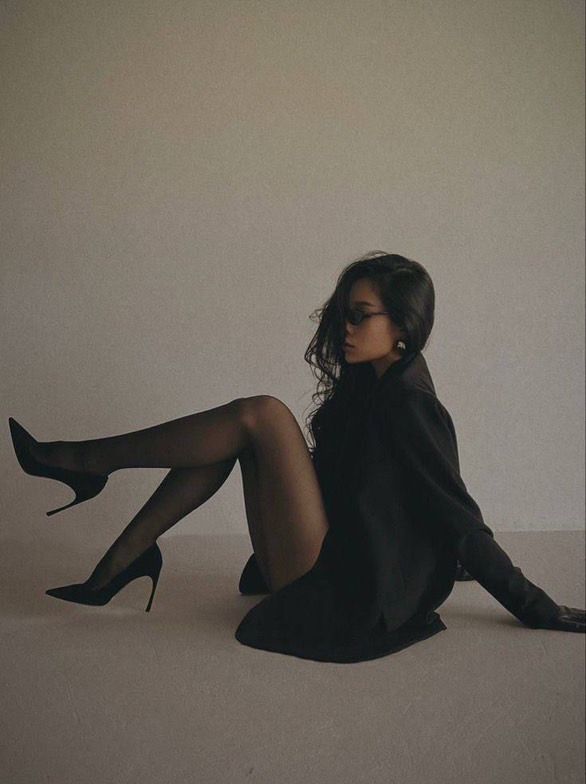


Before we dress our bodies, we dress our moods. Choosing what to wear each morning is rarely a practical act. It is a psychological one. A soft knit for comfort, a blazer for confidence, a swipe of red lipstick for courage. Our clothes speak before we do, translating the quiet language of emotion into fabric and form. Beneath its gloss and glamour, fashion is the mind’s most intimate form of expression.
The Emotional Architecture of Clothing
Every outfit begins with a feeling. We reach for textures that soothe, colors that lift and silhouettes that empower. Psychologists call this enclothed cognition, the idea that what we wear can influence not only how others see us but also how we see ourselves.
A sharp suit can raise posture and assertiveness, an oversized sweater can soften anxiety and heels can shift not only height but also headspace.
Clothing becomes a kind of architecture, a structure we build around the self to shape emotion and energy.
The Self as a Wardrobe
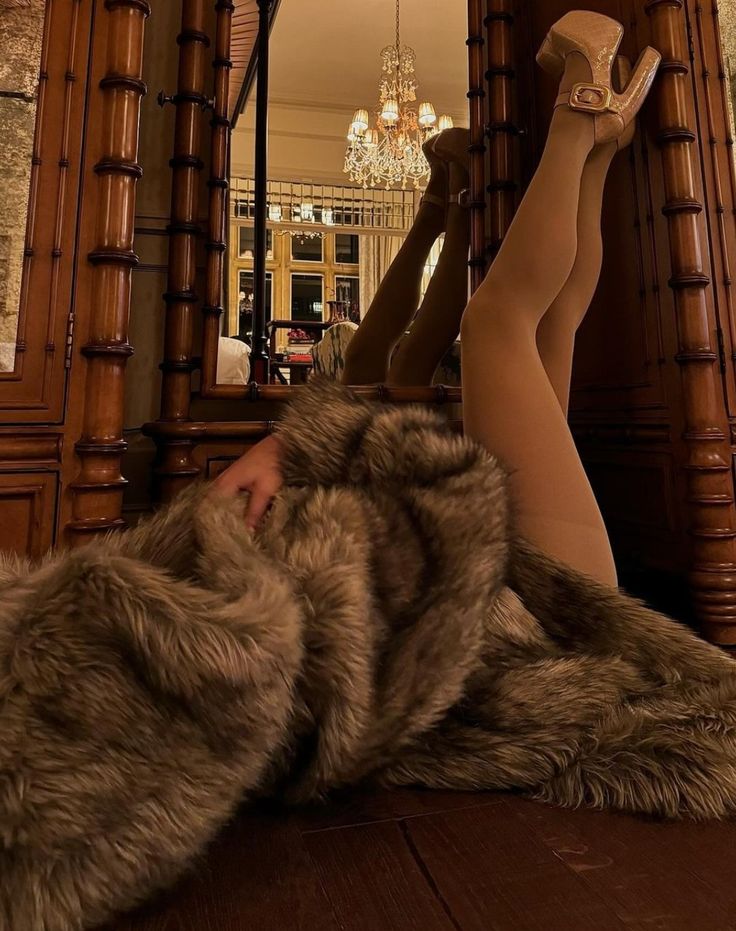
Style is autobiography written in cotton and silk. Each choice, a ring inherited, a worn jacket, a carefully chosen perfume, reveals fragments of identity.
Fashion allows us to experiment with the self, slipping into versions of who we are, who we were and who we may become. The closet becomes a psychological stage, minimalist one day and maximalist the next.
This fluidity is not indecision. It is evolution. Dressing differently each day is not vanity. It is self-discovery in motion.

The Desire to Belong and Stand Apart
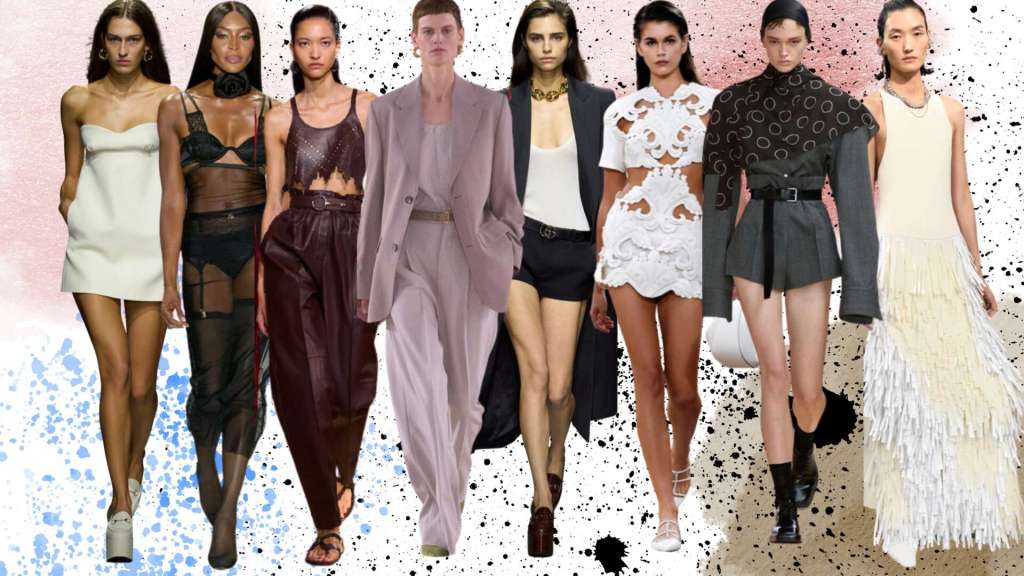
Human psychology thrives on paradox. We seek individuality, yet we crave belonging. Fashion navigates this tension, it signals our group affiliation and personal taste while allowing us to assert our uniqueness.
A uniform provides security. A statement piece offers liberation. We imitate what we admire while personalizing what we adopt. Even acts of rebellion, as seen in subcultures, follow their own set of conventions.
To dress is to negotiate identity within a crowd to communicate, I am one of you, while quietly asserting, I am not exactly like you.
Nostalgia and the Fashion Memory Loop
Clothing carries memory. The scent of vintage perfume, a faded denim jacket, or a silhouette from another era can all evoke powerful emotions. Nostalgia in fashion is not merely aesthetic, it has a therapeutic function.
When the world feels uncertain, we reach for the past to find reassurance reviving styles to anchor ourselves in familiarity. The past, woven into the present, becomes comfort disguised as couture.


The Mirror and the Mask
Fashion is both mirror and mask, a reflection of self, and a performance of who we aspire to be. It reveals and conceals, projects and protects.
Its greatest power lies here, clothing allows us to shape identity without surrendering mystery. We dress not only to be seen, but to see ourselves more clearly, to inhabit the space between who we are and who we might yet become.

 𝑊𝑜𝑚𝑎𝑛 𝑊𝑖𝑡ℎ 𝑉𝑖𝑠𝑖𝑜𝑛
Plaats een reactie